
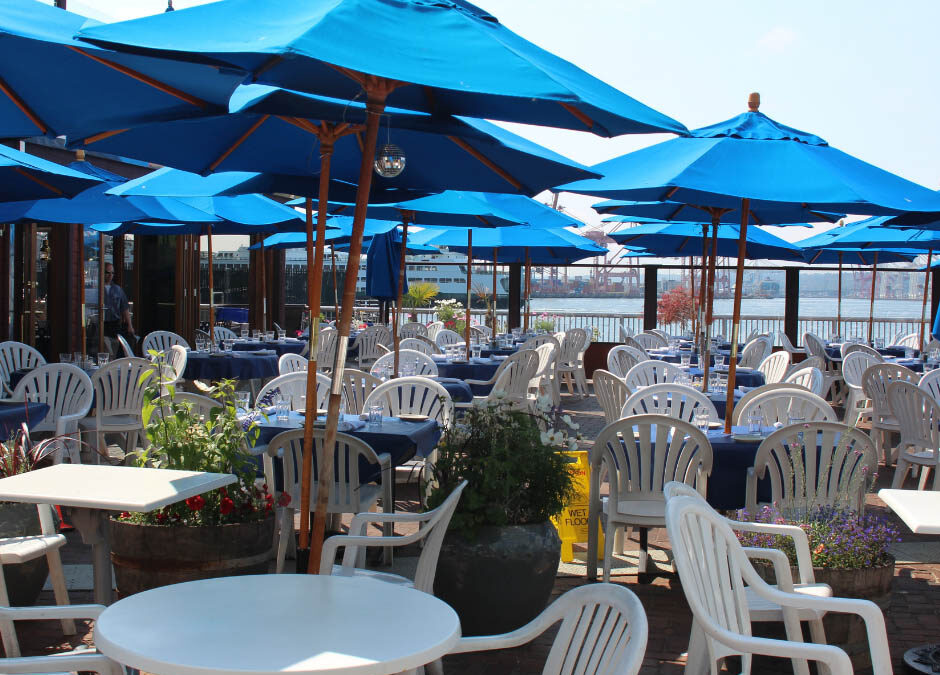
Summer brings a surge of economic activity, particularly for businesses that rely on warm weather and tourism. From beachfront equipment rentals, food trucks, and ice cream shops to landscaping companies and outdoor adventure camps, the sunnier months represent a high-stakes financial window.
Because seasonal ventures pack a majority of their annual revenue into a few short months, a single operational disruption can derail the entire year. Managing your business insurance around these sharp operational fluctuations requires balancing peak-season exposure with off-season maintenance.
The Pressure of Peak Season: Escalating Summer Risks
When operations ramp up, your risk profile changes overnight. Three main areas experience the sharpest spikes during the summer rush.
- Surging Foot Traffic and General Liability
A crowded patio, a bustling souvenir shop, or a busy rental counter means a statistically higher probability of third-party accidents. General liability insurance protects your business from claims involving bodily injury or property damage, such as a customer slipping on a wet floor near an ice cream counter. During peak season, your policy limits must be robust enough to handle the increased volume of visitors.
- Spiking Inventory and Equipment Values
To prepare for the summer rush, inventory levels climb significantly higher than they are in January. If a fire or severe storm hits your warehouse when summer stock is at its maximum, a standard property policy with fixed limits may leave you underinsured.
The Seasonal Fluctuation Strategy: Some commercial property policies feature a “seasonal increase” endorsement. This provision automatically raises your inventory coverage limits by a set percentage (often 25%) during your peak months, adjusting back down when the season ends so you do not overpay for coverage you no longer need.
- Temporary Staffing and Workers’ Compensation
Summer businesses rely heavily on temporary labor, students on summer break, and part-time workers. Rapid onboarding can lead to gaps in safety training, increasing the risk of workplace injuries.
Heat-related illnesses, lifting injuries, and machinery accidents are common summer workplace hazards. Workers’ compensation insurance is required in most states—it covers medical expenses and lost wages for injured staff, regardless of whether they are full-time or temporary.
The Danger of Summer Commercial Auto Spikes
For businesses that utilize vehicles—like food trucks, mobile detailing units, or landscaping crews—summer roads present unique hazards. Commercial auto claims spike during the summer months due to several distinct environmental factors:
- Congested Roadways: Vacation travel, construction zones, and tourist traffic increase congestion, raising the frequency of rear-end collisions and intersection accidents.
- Inexperienced Drivers: School breaks place a higher volume of younger, less experienced drivers on the road, creating unpredictable driving conditions for your employees.
- Mechanical Stress: Extreme summer heat causes tire blowouts, engine overheating, and brake wear, which can cause drivers to lose control of commercial vehicles.
Protecting the Revenue Window: Business Interruption
When a business generates a vast majority of its income in a three-month window, a temporary closure in July is devastating. If a severe storm damages your surf shop building, forcing you to close for repairs for three weeks, you cannot simply make up that revenue in November.
Business interruption insurance is designed specifically for this scenario. If your business suffers direct physical damage from a covered peril (like a fire or windstorm) that forces a temporary shutdown, this coverage helps replace lost net income. It also assists with ongoing fixed expenses that do not stop just because the doors are locked, such as rent, relocation fees, and key employee payroll.
Managing the Off-Season Safely
A common mistake among seasonal business owners is canceling insurance policies entirely once the summer ends. While this seems like an easy way to cut costs, it creates severe exposure.
A closed building can still experience a burst pipe, an electrical fire, or a break-in. A passerby can still slip on an unmaintained walkway outside your shuttered storefront, resulting in a liability lawsuit.
Instead of canceling coverage, the strategy involves scaling back limits during the winter. You can lower commercial auto coverage to a “comprehensive-only” storage status while the trucks are parked, and reduce inventory limits to reflect empty shelves. Keeping core property and liability active year-round keeps the foundation of your business secure until the next summer rush arrives.